
NIL (Name, Image, and Likeness) Q&A
-
What is "NIL"?
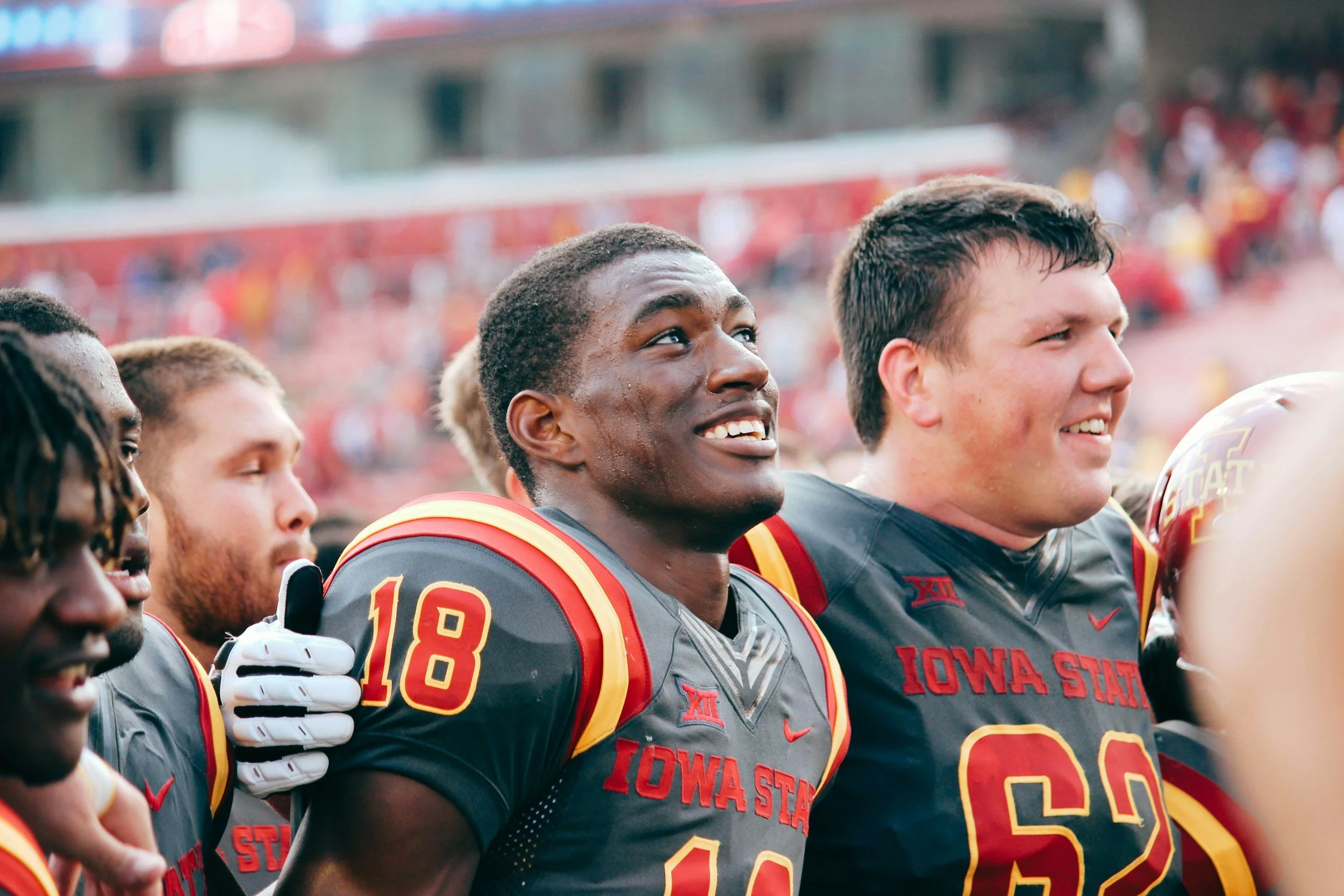
Short for Name, Image, and Likeness, “NIL” refers to how college athletes can be compensated. "Using" an athlete’s NIL involves a brand leveraging their name, image, and/or likeness for marketing and promotional activities.
The NCAA officially allowed athletes to profit from their NILs starting on July 1, 2021. Since then, states have begun enacting their own laws specifying the regulations for athletes attending colleges within their jurisdictions. Universities have also started developing rules and programs for their student-athletes.
-
How is NIL money paid out?
Essentially, a student-athlete signing NIL deals means they can enter into contracts to endorse products and earn money from their personal brand. They can appear in TV commercials, post branded ads on their social media channels, and have companies promote them in similar ways.
-
What does it mean if you are NIL?
If you are NIL, it means you are involved in Name, Image, and Likeness agreements, which allow you to receive financial compensation by leveraging your personal brand. This includes using your name, image, and likeness for endorsements, marketing, and promotional activities.
-
Do NIL deals continue after college?
NIL deals typically refer to agreements made while a student-athlete is enrolled in college, where they can profit from their name, image, and likeness. Once a college athlete graduates or leaves college, the specific NIL deals they made during their college years may not continue, as they are often tied to their status as student-athletes. However, some athletes may continue to leverage their personal brand and pursue endorsement deals or other opportunities in their professional careers, depending on their popularity, performance, and marketability. These post-college opportunities may differ from the NIL deals they had while in college, but the principles of leveraging their name, image, and likeness for financial gain can still apply.
-
Is there a cap on NIL money?
As of now, there is no cap on the amount of money a college athlete can earn through NIL deals. The NCAA and state laws do not impose a limit on the financial compensation athletes can receive for their name, image, and likeness. However, individual universities or athletic conferences may have specific guidelines or policies in place regarding NIL activities.
-
Is NIL money tax free?
No, NIL money is not tax-free. Income earned through NIL deals is considered taxable income by the Internal Revenue Service (IRS) in the United States. College athletes receiving payments for endorsements, appearances, or any other NIL activities must report this income on their tax returns and may be required to pay federal and state taxes on it. It's important for athletes to keep accurate records of their earnings and consult with a tax professional to ensure they meet their tax obligations.
-
Why are people against NIL?
People may have various reasons for being against Name, Image, and Likeness (NIL) policies in college sports. Some common concerns and criticisms include:
Amateurism: Traditionalists argue that allowing college athletes to profit from their NIL undermines the principle of amateurism in collegiate athletics. They believe that athletes should primarily compete for the love of the sport and the opportunity to represent their institution, rather than for financial gain.
Competitive balance: There are concerns that NIL opportunities could create disparities among athletes and teams, with more prominent athletes or programs potentially receiving more lucrative deals. This could exacerbate existing inequalities in college sports and affect the competitive balance within leagues and conferences.
Potential exploitation: Critics worry that NIL arrangements could expose student-athletes, particularly younger or less experienced individuals, to exploitation by agents, sponsors, or other parties seeking to profit from their talents. Without proper guidance and oversight, athletes may enter into unfavorable contracts or be taken advantage of financially.
Academic focus: Some argue that the introduction of NIL opportunities could distract student-athletes from their academic responsibilities and priorities. Concerns exist that athletes may prioritize their personal brand and endorsement deals over their studies, leading to academic performance issues or a devaluation of the educational aspect of college sports.
Compliance challenges: Implementing NIL policies introduces logistical and regulatory challenges for colleges, athletic programs, and governing bodies. Ensuring compliance with state laws, NCAA regulations, and other legal requirements can be complex and resource-intensive, particularly for smaller institutions with limited resources.
Overall, the debate surrounding NIL in college sports reflects broader discussions about the balance between amateurism and commercialization, athlete rights and protections, and the future direction of collegiate athletics.
-
Why is NIL bad for sports?
While opinions on the matter vary, some people argue that Name, Image, and Likeness (NIL) policies could potentially have negative impacts on sports for several reasons:
Distraction from academics: There are concerns that NIL opportunities could distract student-athletes from their academic responsibilities. If athletes prioritize their personal brand and endorsement deals over their studies, it could lead to a devaluation of the educational aspect of college sports.
Competitive balance: Some worry that NIL opportunities could widen the gap between well-known athletes and lesser-known ones. More prominent athletes or teams might receive more lucrative deals, exacerbating existing inequalities in college sports and potentially affecting the competitive balance within leagues and conferences.
Risk of exploitation: Without proper guidance and oversight, student-athletes, particularly younger or less experienced individuals, could be vulnerable to exploitation by agents, sponsors, or other parties seeking to profit from their talents. This could lead to athletes entering into unfavorable contracts or being taken advantage of financially.
Undermining amateurism: Critics argue that allowing college athletes to profit from their NIL undermines the traditional concept of amateurism in collegiate athletics. They believe that athletes should primarily compete for the love of the sport and the opportunity to represent their institution, rather than for financial gain.
Compliance challenges: Implementing NIL policies introduces logistical and regulatory challenges for colleges, athletic programs, and governing bodies. Ensuring compliance with state laws, NCAA regulations, and other legal requirements can be complex and resource-intensive, particularly for smaller institutions with limited resources.
However, it's important to note that these concerns are not universally shared, and many believe that NIL can bring positive changes to college sports by providing athletes with opportunities to benefit from their talents and hard work. The impact of NIL on sports will likely depend on how effectively policies are implemented and regulated, as well as how athletes, institutions, and governing bodies adapt to these changes.
-
What are NIL rules?
As of the last update in January 2022, the NIL landscape in college sports was rapidly evolving, with various rules and regulations being implemented at both the state and institutional levels. However, here are some common themes and guidelines that were often included in NIL rules:
Compensation for Name, Image, and Likeness: NIL rules generally allow college athletes to profit from their name, image, and likeness. This can include endorsement deals, sponsorships, appearances, and other opportunities to monetize their personal brand.
No Direct Payment from Schools: Typically, NIL rules prohibit colleges and universities from directly paying their athletes for their NIL rights. Instead, athletes are allowed to seek and accept compensation from third parties.
Compliance with State and NCAA Regulations: Athletes and institutions must comply with both state laws and NCAA regulations regarding NIL activities. State laws may vary, so athletes and institutions must ensure they understand and adhere to the rules applicable in their jurisdiction.
Fair Market Value and Fair Play: NIL deals should be based on fair market value and should not be used as inducements for recruitment or as a form of pay-for-play. Athletes should not receive compensation for athletic performance or participation in competitions.
Disclosure and Reporting: Athletes may be required to disclose their NIL agreements to their institution or athletic department and report their earnings for compliance and transparency purposes.
Maintaining Amateur Status: Athletes must maintain their amateur status to continue participating in college sports. This means they cannot enter into NIL deals that conflict with NCAA amateurism rules or jeopardize their eligibility.
Restrictions on Certain Categories: Some NIL rules may impose restrictions on certain categories of endorsements or sponsors, such as alcohol, tobacco, gambling, or adult entertainment.
It's important to note that NIL rules and regulations may continue to evolve over time as states enact new legislation and the NCAA adjusts its policies. Athletes, institutions, and stakeholders in college sports should stay informed about the latest developments and ensure compliance with applicable rules and regulations.
-
What is not allowed under NIL?
Under Name, Image, and Likeness (NIL) regulations, there are several activities and types of compensation that are typically not allowed:
Payment for Athletic Performance: Athletes cannot receive compensation based on their athletic performance, such as receiving payment for winning a game or achieving a certain statistical milestone. NIL deals should be unrelated to on-field or on-court performance.
Pay-for-Play Arrangements: NIL compensation cannot be used as a form of pay-for-play, where athletes are directly compensated by their college or university for participating in athletics. NIL deals must come from third-party sources.
Inducements for Recruitment: NIL compensation cannot be used as inducements for recruitment or to entice athletes to attend a particular college or university. Offering NIL deals as part of recruitment efforts is typically prohibited.
Violations of NCAA Amateurism Rules: NIL deals must comply with NCAA amateurism rules, which prohibit athletes from receiving compensation that conflicts with their amateur status. This includes avoiding agreements that provide preferential treatment or benefits not available to other students.
Conflicts of Interest: Athletes may be prohibited from entering into NIL agreements that create conflicts of interest with their college or university, such as endorsing products or services that compete with official sponsors or partners of the institution.
Illegal or Inappropriate Activities: NIL compensation cannot be received for endorsing illegal or inappropriate activities or products, such as alcohol, tobacco, gambling, or adult entertainment. There may be restrictions on certain categories of endorsements.
Violations of State or Federal Law: NIL agreements must comply with applicable state and federal laws, including regulations related to taxes, contracts, and intellectual property rights.
It's important for athletes, institutions, and stakeholders in college sports to understand and adhere to the rules and regulations governing NIL activities to ensure compliance and avoid potential penalties or consequences.
-
Does NIL extend to high school?
As of my last update in January 2022, Name, Image, and Likeness (NIL) opportunities were not typically available to high school athletes. NIL policies primarily apply to college athletes, allowing them to profit from their name, image, and likeness while maintaining their eligibility to participate in collegiate sports.
However, it's essential to note that the landscape of NIL regulations and laws is continually evolving, and there have been discussions about extending NIL rights to high school athletes in some jurisdictions. Some states have proposed or enacted legislation that could potentially allow high school athletes to benefit from their NIL, but the specifics vary by location.
As of now, the focus of NIL regulations remains primarily on college athletes, but it's worth monitoring developments in this area as discussions about extending NIL rights to high school athletes continue.
-
Can non athletes get NIL?
As of the last update in January 2022, Name, Image, and Likeness (NIL) opportunities have primarily been associated with college athletes, allowing them to profit from their name, image, and likeness while maintaining their eligibility to participate in collegiate sports.
However, NIL opportunities are not exclusive to athletes. In some cases, individuals who are not college athletes may also have opportunities to capitalize on their name, image, and likeness for commercial purposes. This could include celebrities, influencers, social media personalities, and individuals with significant public visibility or recognition.
For example, someone who has gained a large following on social media platforms may attract sponsorship deals or endorsement opportunities based on their influence and reach, regardless of their athletic status.
The specifics of NIL opportunities for non-athletes may vary depending on factors such as their level of visibility, audience size, and marketability. As the landscape of NIL continues to evolve, it's possible that opportunities for non-athletes to benefit from their name, image, and likeness may also expand.